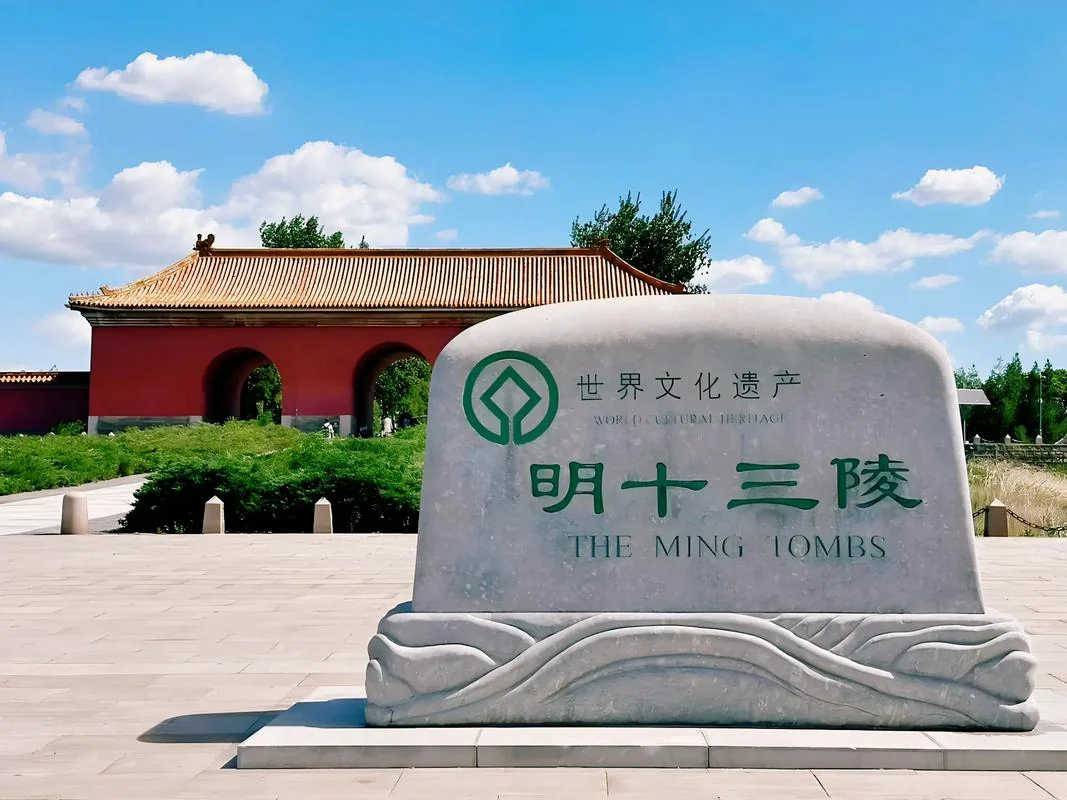
The Ming Tombs, known in Chinese as Ming Shisanling or the Thirteen Tombs of the Ming Dynasty, form one of the most important imperial burial complexes in China. Set in a broad valley ringed by mountains north of Beijing, the site holds the tombs of thirteen Ming emperors along with associated palaces, stele pavilions, and the long ceremonial avenue known as the Sacred Way. The scale is large, the landscape is quiet, and the architecture rewards slow looking rather than rushing.
For most visitors, the practical question is not whether to go but how to structure a visit. The scenic area spreads across many kilometers, and only a subset of tombs is regularly open to the public. Changling, Dingling, Zhaoling, and the Sacred Way are the core stops that most travelers plan around, while other tombs may be visible from outside or open on a limited basis. Because ticket rules, opening hours, and transport details can change, this guide uses cautious wording and points you to official channels for confirmation.
This article covers what to see, how to think about tickets and combined passes, how to reach the site from Beijing, suggested routes with realistic durations, and the mistakes that most often spoil a first visit. Treat the details here as planning guidance and verify current prices, hours, and booking rules before you travel.
Quick Facts
- Location: Changping District, north of central Beijing, in a mountain-ringed valley.
- Status: UNESCO World Heritage site and a major imperial burial complex.
- Core public stops: Changling, Dingling, Zhaoling, and the Sacred Way.
- Typical visit length: A half day for two stops, a full day for three or four.
- Best approach: Combine the Sacred Way with one or two tombs rather than trying to see everything.
- Ticket structure: Individual tomb tickets and combined passes have been offered; confirm current options officially.
- Payment: Mobile payment is widely used in China, but carry a backup method.
- Language: Signage is often bilingual, but detailed English explanations vary by site.
Why Visit
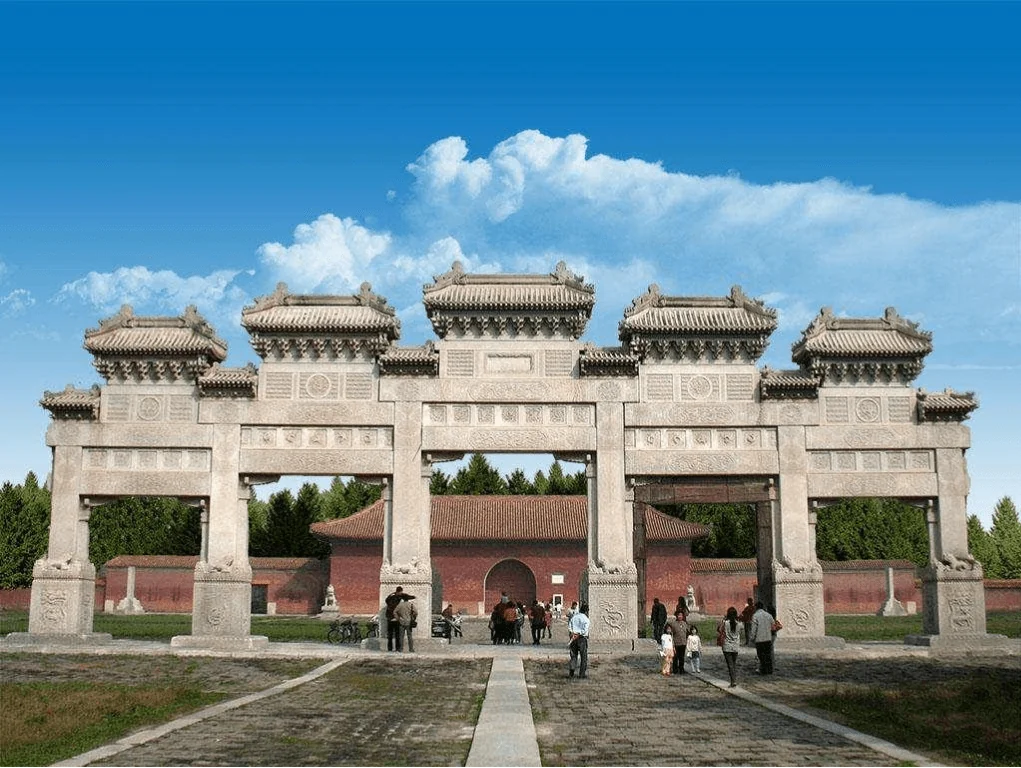
The Ming Tombs are not a single monument but a designed landscape. Emperors chose the valley for its feng shui, with mountains as natural barriers and a ceremonial approach that builds anticipation. Walking the Sacred Way, passing stone animals and officials, gives a sense of how imperial ritual was staged across the landscape. The effect is strongest in the morning, when tour groups are thinner and the light is softer.
Changling, the tomb of the Yongle Emperor, is the largest and best preserved of the complex. Its main hall, the Hall of Eminent Favor, is a grand timber structure that shows Ming imperial architecture at full scale. Dingling is different: it is the tomb whose underground palace has been excavated and opened to visitors, so you can descend into a stone chamber rather than only admire surface buildings. Zhaoling is smaller and often quieter, which makes it a good contrast stop.
The site also appeals to travelers interested in how heritage is managed. The Ming Tombs are part of a long-term effort to open more of the complex to the public, and the balance between conservation and access is visible in how each tomb is presented. Even if you are not a specialist, the combination of architecture, landscape, and history makes the valley worth a day.
Tickets
Ticket arrangements at the Ming Tombs have changed over time, and sources do not always agree on current prices or combined-pass details. The table below summarizes the general structure rather than exact figures. Confirm the current price, what each ticket includes, and whether a combined pass is available on the official Beijing tourism or scenic-area channel before you go.
| Ticket type | What it typically covers | Notes |
|---|---|---|
| Single tomb ticket | Entry to one site such as Changling, Dingling, or Zhaoling | Useful if you plan to visit only one or two stops |
| Sacred Way ticket | Entry to the ceremonial avenue and stone figures | Often sold separately from tomb tickets |
| Combined pass | Several core sites in one purchase | Availability and included sites should be confirmed officially |
| Concession categories | Reduced or free entry for eligible visitors | Bring identification; rules vary by site |
Prices are quoted in RMB. Do not rely on older blog posts for exact amounts, because they may be out of date. If you plan to visit more than two paid sites, a combined pass has often been better value, but check whether it covers the specific tombs you want. Keep your passport with you, since it may be requested for identity checks or for tickets tied to foreign visitors.
Booking rules are inconsistent across sources. Some visitors report buying on site, while others describe advance booking through a mini program or official platform. The safe approach is to check the official channel a day or two before your visit, especially on weekends and public holidays, and to have a screenshot of any booking confirmation. If you use mobile payment, make sure your app is set up before leaving the city.
Opening Hours
Opening hours differ between sources and may vary by season and by individual tomb. The table below shows the general pattern to expect, not guaranteed times. Last-entry rules are not consistently documented, so plan to arrive well before the published closing time.
| Season | Typical opening pattern | Planning note |
|---|---|---|
| Peak season | Morning opening to late afternoon | Arrive early to avoid tour-group peaks |
| Off season | Similar pattern with possibly earlier closing | Confirm the day before, as hours can shorten |
| Public holidays | Often open but very busy | Book ahead and expect queues at core sites |
Because the tombs are separate sites within a large scenic area, closing times can differ between Changling, Dingling, Zhaoling, and the Sacred Way. Do not assume that a ticket for one site allows late entry to another. If you are visiting in winter, daylight is shorter and some paths feel colder and windier than in the city, so start earlier than you think you need to.
Getting There
The Ming Tombs are in Changping District, roughly an hour or more from central Beijing depending on traffic and your starting point. Most visitors travel by a combination of metro and bus, by organized tour, or by taxi and ride-hailing. Exact bus numbers, stops, and metro exit details are not reliably confirmed across sources, so use a current map app and ask staff at your metro station for the correct connection.
A common approach is to take a metro line toward the northern suburbs and then transfer to a bus serving the Ming Tombs area. Another option is a direct tourist bus or a guided day tour, which removes the transport planning but reduces flexibility. Taxis and ride-hailing are convenient but can be expensive for the distance, and return transport from the valley may be harder to arrange late in the day.
If you drive, note that parking areas serve different tombs, and the distances between them are not always walkable in a short visit. Security checks may apply at some entrances, so allow extra time. Keep your passport with you, and avoid carrying prohibited equipment such as drones, since rules on such items can be strict at heritage sites.
Suggested Routes
The routes below assume you are starting from central Beijing and have a full day. Durations include travel and walking but are estimates; adjust for traffic, queues, and your own pace.
Route 1: Classic Core Route (about 6 to 7 hours)
Sacred Way → Changling → Dingling. Start at the Sacred Way to see the stone figures, then move to Changling for the main hall, and finish at Dingling for the underground palace. This route covers the three most popular stops and is the best choice for a first visit.
Route 2: Architecture-Focused Route (about 5 hours)
Changling → Zhaoling → Sacred Way. Spend more time at Changling’s timber halls, then compare the smaller Zhaoling, and end with a relaxed walk on the Sacred Way. This suits travelers who prefer depth over coverage.
Route 3: Half-Day Express Route (about 4 hours)
Changling → Sacred Way. If you have limited time, these two stops give a strong introduction without the descent into Dingling. Arrive early and keep the visit tight.
Route 4: Quiet Contrast Route (about 5 to 6 hours)
Zhaoling → Dingling → Sacred Way. Begin at the quieter Zhaoling, then visit the underground palace at Dingling, and finish on the avenue. This order can help you avoid the heaviest crowds at the start of the day.
Must-See Highlights
- Sacred Way stone figures: Pairs of animals and officials line the ceremonial avenue, creating a formal approach to the tombs.
- Changling Hall of Eminent Favor: A large timber hall and the architectural centerpiece of the complex.
- Changling stele pavilion: A monumental structure that frames the entrance to the tomb area.
- Dingling Underground Palace: The excavated stone chambers that let visitors descend below ground.
- Dingling surface halls: The above-ground complex that sets the underground palace in context.
- Zhaoling: A smaller, often quieter tomb that shows variation in scale and layout.
- Valley views: The mountain backdrop explains why the site was chosen and rewards a pause.
- Stone paving and pathways: Original or restored surfaces that reveal how the complex was organized.
- Bilingual signage: Useful for understanding each site’s role, though detail varies.
- Seasonal atmosphere: Autumn colors and winter clarity both change the mood of the valley.
Best Time to Visit
Spring and autumn are generally the most comfortable seasons, with milder temperatures for walking between sites. Autumn is especially popular for foliage, while spring can be windy and dusty. Summer is hot and can be crowded, so start early and carry water. Winter is cold and quiet, with shorter daylight hours; the tombs can feel stark but also peaceful.
Weekdays are usually calmer than weekends, and public holidays bring heavy crowds. If you visit during a holiday period, book ahead where possible and expect delays at entrances and on transport. Morning arrivals tend to work better than afternoon visits, especially if you want to see more than one tomb.
Common Mistakes to Avoid
- Trying to see all thirteen tombs in one day; only a few are regularly open and the distances are large.
- Assuming every tomb is open to the public without checking current access.
- Relying on outdated blog posts for exact ticket prices or hours.
- Arriving late in the afternoon without confirming last-entry rules.
- Forgetting your passport when identity checks or ticket rules apply.
- Not setting up mobile payment before leaving the city.
- Underestimating travel time from central Beijing, especially in traffic.
- Wearing smooth-soled shoes for uneven stone paths and steps.
- Carrying prohibited equipment such as drones without checking site rules.
- Ignoring weather differences between the city and the exposed valley.
- Planning a tight schedule around public holidays without booking ahead.
- Leaving return transport to chance late in the day.
What to Bring
- Passport and any booking confirmations.
- Comfortable walking shoes with good grip.
- Water and a light snack, since food options near individual tombs can be limited.
- Sun protection in summer and warm layers in winter.
- A charged phone with a map app and mobile payment set up.
- A power bank for a long day out.
- Cash as a backup, even though mobile payment is common.
Food and Drink Nearby
Food options around the tombs are limited and vary by site. Some visitor areas have basic snacks and drinks, but choices are not reliable enough to plan around. A practical approach is to eat a proper meal before leaving Beijing or to bring a simple packed lunch. Near the Sacred Way and the main tomb entrances, small shops may sell water and packaged snacks, but do not count on specific restaurants being open or easy to find.
If you return to the city in the afternoon, save a proper meal for Beijing, where choices are far broader. Carry out any trash you generate, and respect rules about eating in sensitive heritage areas. In summer, keep water with you; in winter, a thermos of hot tea can make the exposed walks more comfortable.
Final Thoughts
The Ming Tombs reward a measured visit. The valley is large, the sites are spread out, and the experience is best when you choose two or three stops and give them time. The Sacred Way sets the scene, Changling shows imperial architecture at its grandest, and Dingling adds the rare chance to go underground. Zhaoling offers a quieter contrast for travelers who want to slow down.
Because ticket rules, opening hours, and transport details can change, confirm the essentials on official channels before you go. Bring your passport, set up mobile payment, and plan around daylight and traffic. With realistic expectations and a flexible schedule, the Ming Tombs make a memorable and manageable day trip from Beijing.
Sources
- Beijing Official Travel Site: Ming Tombs
- China.org.cn: Necropolis Comes to Life
- China Daily: Ming Tombs to All Be Opened by 2030
- China Story: Why Ming Tombs Are Special
- Beijing Municipal Government: The Ming Tombs
- Trip.com: Ming Tombs Visitor Notes
- Trip.com: Ming Tombs Changling
- Trip.com: Ming Tombs Dingling
- Baidu Baike: Ming Tombs Scenic Area
- Beijing Tourism (Korean): Ming Shisanling