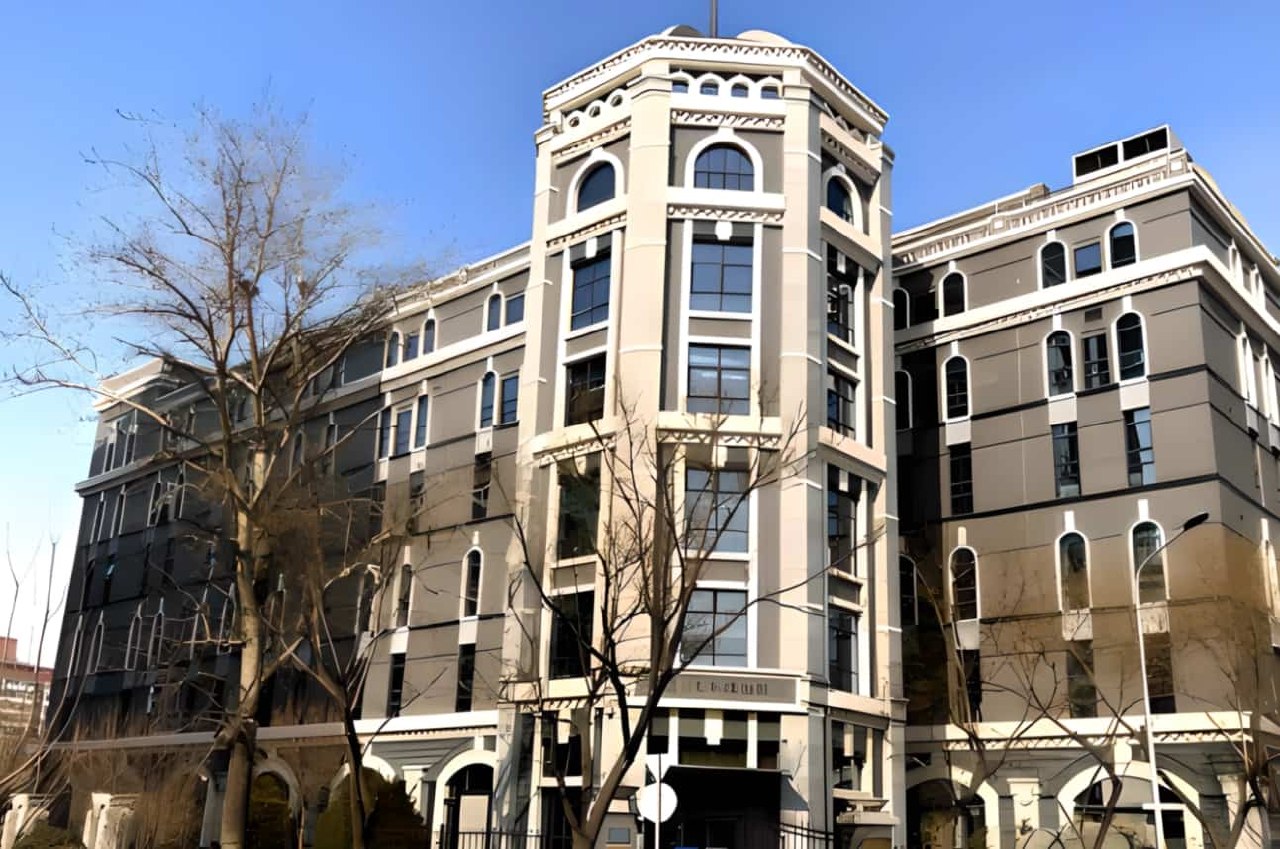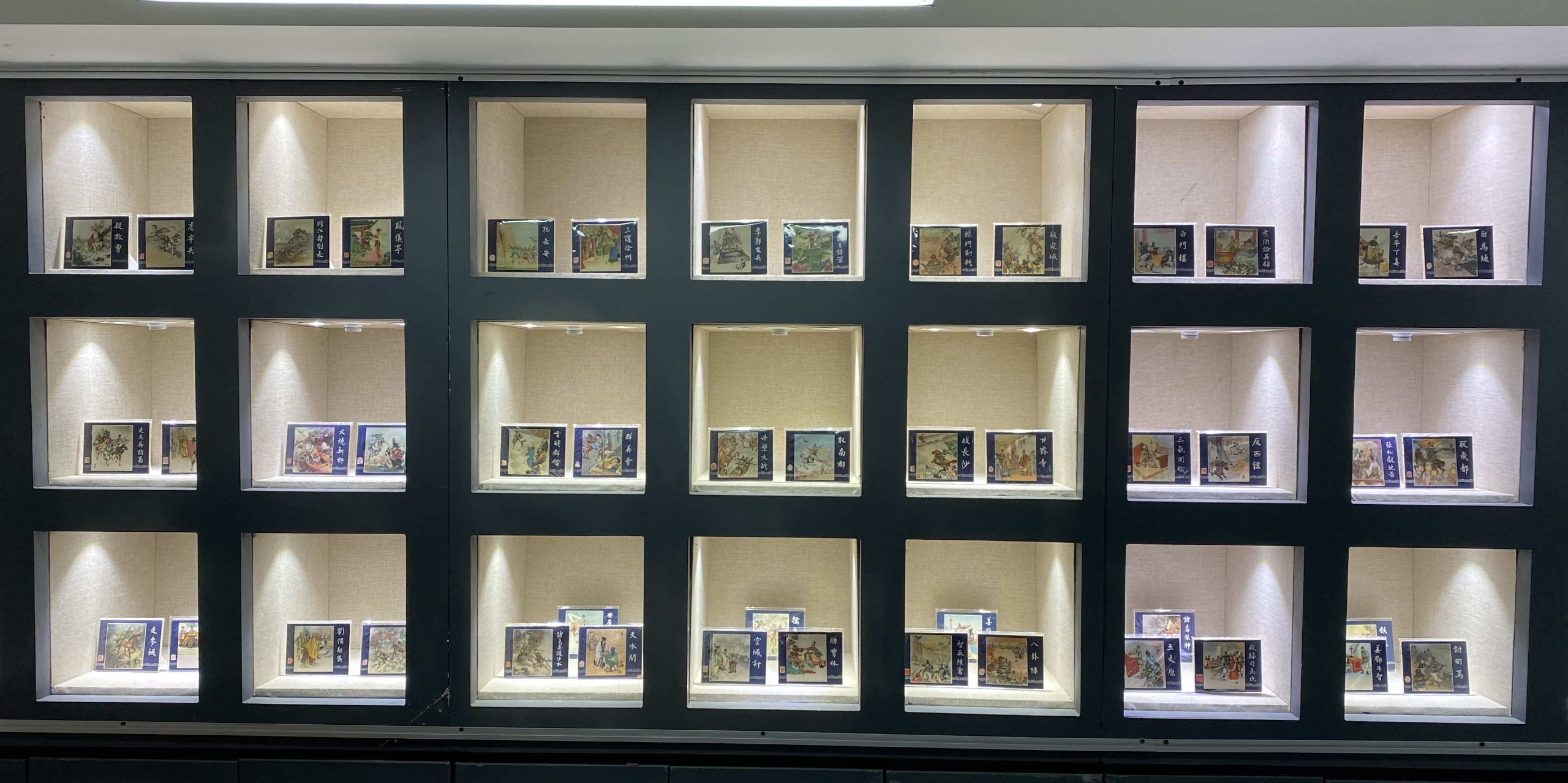
The Xihuang Temple Museum is a small, quiet temple museum in Beijing’s Chaoyang District, set on Huangsi Street. It occupies a site that served as a residence in Beijing for successive Dalai Lamas and Panchen Lamas, and it holds one of the city’s most unusual monuments: the funeral tower of the Sixth Panchen Lama.
That tower, the Qingjing Huacheng Tower, blends Han, Tibetan, and Indian architectural styles in a way that is described as unique in Beijing. The temple is far less crowded than the city’s headline sights, which makes it a rewarding stop for travelers interested in Tibetan Buddhism, Qing dynasty history, and architecture.
This guide covers what to see, how advance booking works, weekend-only opening patterns, transport options, and a few route ideas. Because several practical details come from third-party travel posts, confirm current rules on the official channel before you go.
Quick Facts
| Location | No. 11 Huangsi Street, Chaoyang District, Beijing |
|---|---|
| History | Temple site associated with the Dalai and Panchen Lamas; the Qingjing Huacheng Tower was built in the 47th year of Emperor Qianlong’s reign to commemorate the Sixth Panchen Lama |
| Status | Operates as a museum; reported as a niche, low-crowd site |
| Area | Compact temple compound; exact area not confirmed |
| Admission | Reported as free with mandatory advance booking; verify on the official channel |
| Best time | Weekend mornings; clear-sky days for the white tower |
| Duration | About 1.5 to 2 hours |
| Preparation | Book ahead, bring your passport, and confirm weekend-only hours |
Why Visit the Xihuang Temple Museum?
The main reason to come is the Qingjing Huacheng Tower, also called the Panchen Tower. It was built in the 47th year of Emperor Qianlong’s reign to honor the Sixth Panchen Lama and stands about 20 meters tall, modeled on the Indian Bodh Gaya stupa style. Its white marble base, carved body, and four corner towers make it a striking object in a compact courtyard.
The tower’s design is the real draw. Han-style gateway forms and patterns, Tibetan-style finials, and Indian stupa geometry are combined in a single structure, a fusion the sources describe as unique in Beijing. The Imperial Stele Pavilion in front of the Mahavira Hall adds another layer: a stele inscribed by Emperor Qianlong himself, with text in Manchu, Han, Mongolian, and Tibetan scripts.
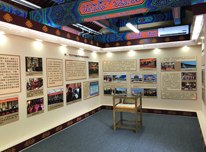
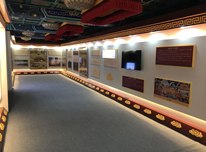
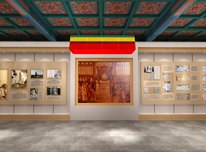
The Mahavira Hall is built in a Tibetan style and holds statues of Shakyamuni Buddha and the Eighteen Arhats, with detailed paintings. A rear building hosts an exhibition on Tibetan Buddhism and the temple’s history. This site suits history-minded travelers, architecture fans, photographers, and anyone seeking a calm counterpoint to Beijing’s busier attractions.
Tickets: Book Ahead, Even Though Entry Is Reported Free
Travel posts report that admission is free but requires advance booking through the official Xihuang Temple Museum account. Treat this as time-sensitive: booking windows, ID requirements, and any change to free entry should be confirmed on the official channel before you travel.
| Standard admission | Reported as free; verify current status | Notes |
|---|---|---|
| Booking method | Advance reservation via the official account, per travel posts | Check the official channel |
| Identification | Bring your passport; foreign visitor registration rules should be confirmed | Check the official channel |
| Concessions | Not verified; ask the official channel | Check the official channel |
| On-site purchase | Do not assume tickets are available at the gate | Check the official channel |
Book only through official channels. Avoid touts or resellers offering guaranteed entry, since a free site with limited capacity can attract informal middlemen. If the official booking page is unclear for foreign passports, contact the museum directly before your trip.
Opening Hours
Sources report that the museum opens only on Saturdays and Sundays, from 9:00 AM to 4:30 PM, with last entry at 4:00 PM, and is closed Monday to Friday. This weekend-only pattern is unusual and should be checked before planning, especially around public holidays.
| Saturday | Reported 9:00 AM to 4:30 PM; last entry 4:00 PM | Notes |
|---|---|---|
| Sunday | Reported 9:00 AM to 4:30 PM; last entry 4:00 PM | Check the official channel |
| Monday to Friday | Reported closed | Check the official channel |
| Public holidays | Schedule may shift; check the official channel | Check the official channel |
| Inner exhibitions | May close earlier than the courtyard; confirm on arrival | Check the official channel |
Arrive well before last entry so you have time for the tower, the stele pavilion, the main hall, and the rear exhibition. If a holiday falls on a weekend, expect adjusted arrangements and confirm in advance.
Getting There
By subway, travel posts suggest Line 8 to Anhua Bridge Station, Exit D, followed by about a 15-minute walk. Bus routes 123 and 625 are reported to stop at Huangsi Street Station. Confirm current exit and stop details in a mapping app on the day, since transport information changes.
A taxi or ride-hailing car is a straightforward option if you are coming from central Beijing. If you drive, parking near a small street-side temple may be limited, so check locally rather than assuming a dedicated lot.
Insider tip: the walk from the station is part of the experience in a low-key neighborhood. Leave a buffer for finding the entrance on Huangsi Street, and keep your booking confirmation and passport ready for a possible check.
Suggested Routes
| Route | Duration | Best for | Terrain |
|---|---|---|---|
| Core Highlights | 1 to 1.5 hours | First-time visitors, short stops | Flat courtyard, some steps |
| History and Architecture | 1.5 to 2 hours | Architecture and Qing history fans | Flat, with pauses at monuments |
| Slow Photography | 2 hours | Photographers, calm pacing | Flat, outdoor and indoor mix |
Route 1: Core Highlights
Duration: 1 to 1.5 hours. Start and end: main entrance to exit.
Entrance → Imperial Stele Pavilion → Mahavira Hall → Qingjing Huacheng Tower → rear exhibition building → exit. The terrain is flat courtyard paving with a few thresholds and steps. This route covers the essentials if you are short on time.
Route 2: History and Architecture
Duration: 1.5 to 2 hours. Start and end: main entrance to exit.
Entrance → rear exhibition for context → Mahavira Hall → Imperial Stele Pavilion → Qingjing Huacheng Tower → courtyard circuit → exit. Starting with the exhibition helps you read the tower’s mixed Han, Tibetan, and Indian design with more understanding.
Route 3: Slow Photography
Duration: about 2 hours. Start and end: main entrance to exit.
Entrance → courtyard edges → Qingjing Huacheng Tower front → Imperial Stele Pavilion → Mahavira Hall facade → rear exhibition → exit. The white marble tower against a blue sky is the signature shot. Check whether photography is restricted inside halls and respect worshippers.
Must-See Highlights
- Qingjing Huacheng Tower: the funeral tower of the Sixth Panchen Lama, about 20 meters tall with a white marble base and four corner towers. Tip: view it from the front for the full silhouette.
- Imperial Stele Pavilion: houses a stele inscribed by Emperor Qianlong in four scripts. Tip: look closely at the script panels.
- Mahavira Hall: Tibetan-style architecture with Shakyamuni Buddha and the Eighteen Arhats. Tip: allow time for the paintings.
- Rear exhibition: covers Tibetan Buddhism and the temple’s history. Tip: visit first if you want context before the monuments.
- Courtyard walls and gateways: red walls and yellow tiles frame the compound. Tip: quieter corners reward slow looking.
Best Time to Visit
Because the museum is reported to open only on weekends, Saturday and Sunday are the only options unless the schedule changes. Mornings after opening tend to be calm, and the site is described as quiet and uncrowded compared with major Beijing sights.
Spring and autumn bring comfortable temperatures and clearer skies, which flatter the white tower. Summer afternoons can be hot, and winter light is low but crisp. Avoid major Chinese public holidays if you want the calmest experience, and always confirm holiday opening arrangements.
Common Mistakes to Avoid
- Showing up on a weekday. The museum is reported closed Monday to Friday; plan for a weekend.
- Assuming you can walk in. Advance booking is reported as required; reserve through the official channel.
- Forgetting your passport. Carry it for identification and booking checks.
- Arriving near last entry. The 4:00 PM cutoff leaves little time for the halls and exhibition.
- Relying on outdated transport posts. Confirm the metro exit and bus stops on the day.
- Treating it as a quick photo stop. Give the tower and stele at least an hour.
- Ignoring photography rules inside halls. Ask staff and respect worshippers.
- Buying entry from resellers. Use official booking only.
What to Bring
- Passport and booking confirmation
- A charged phone with a mapping app and mobile payment set up
- Comfortable walking shoes for the station walk
- Sun protection in summer and a warm layer in winter
- Water, since nearby options may be limited
- A camera with quiet settings for respectful photography
Food and Drink Nearby
Exact restaurant names near Huangsi Street are not well supported by the research, so plan around dependable dining areas rather than specific venues. The Anhua Bridge and Huangsi area has local casual eateries, and larger choices are a short ride away in central Chaoyang. Expect modest prices for noodles, dumplings, and simple set meals. Confirm opening hours on the day, especially around weekends.
Final Thoughts
The Xihuang Temple Museum rewards travelers who plan ahead for a weekend slot and a free, booked entry. Allow about 1.5 to 2 hours to see the tower, stele, hall, and exhibition at an unhurried pace. The lasting image is the white marble Panchen Tower rising above a quiet courtyard, its Han, Tibetan, and Indian forms held in a single silhouette against a clear Beijing sky.
Sources
- Trip.com Moments: Xihuang Temple Museum guide
- Trip.com Moments: Huangsi Temple guide
- Trip.com Moments: Five Pagoda Temple guide
- Trip.com Moments: Five Pagoda Temple guide (QA)
- Trip.com Moments: Beijing museum feature
- Source from r.visitbeijing.com.cn
- Source from r.visitbeijing.com.cn
- Source from wanderlog.com