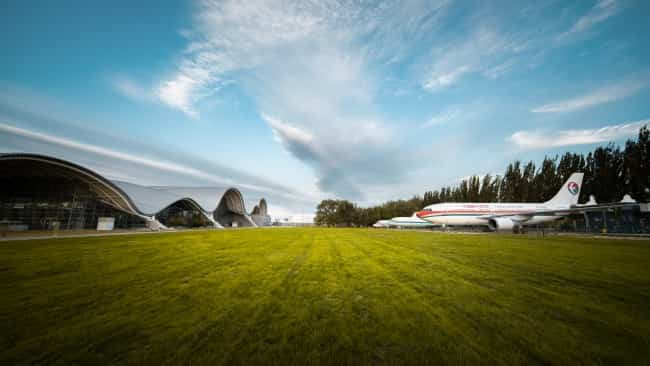
The Beijing Waterworks Museum is a compact specialist museum in the Dongzhimen area of Dongcheng District, Beijing. It occupies the site of the city’s first modern waterworks and uses the former steam engine room as its main building. Exhibits trace how the capital moved from shallow wells and water carts to a modern piped supply.
For international visitors, the museum is a quiet, low-cost stop that explains a basic urban service most people never think about. It suits travelers interested in industrial heritage, engineering, or everyday life in Beijing, and it pairs easily with nearby Dongzhimen and the city’s central sights.
This guide covers what to see, how tickets and opening hours work, how to get there, suggested routes, and the practical details worth checking before you go.
Quick Facts
| Location | Qingshuiyuan community, Dongzhimen North Street area, Dongcheng District, Beijing |
|---|---|
| History | Museum founded in 2000 on the site of the Dongzhimen waterworks; main building is the former steam engine room, in service from 1910 |
| Status | China’s first technical museum dedicated to water supply; a Beijing youth science and water-saving education base |
| Size | Building area around 1,500 square meters; sources also cite about 5,100 square meters of exhibition space |
| Admission | Sources conflict between free entry and a small fee; check the official channel |
| Best time | Weekday mornings; avoid Chinese public holidays |
| Duration | About 1 hour |
| Preparation | Carry your passport, confirm opening days, and check whether registration is required |
Why Visit the Beijing Waterworks Museum?
The museum tells a specific story: how a desert-edge capital with salty, bitter well water built a modern supply system. Before 1908, residents relied on shallow wells and delivered water. A proposal to create a city water company was approved that year, and the Dongzhimen plant became the first modern waterworks in Beijing.
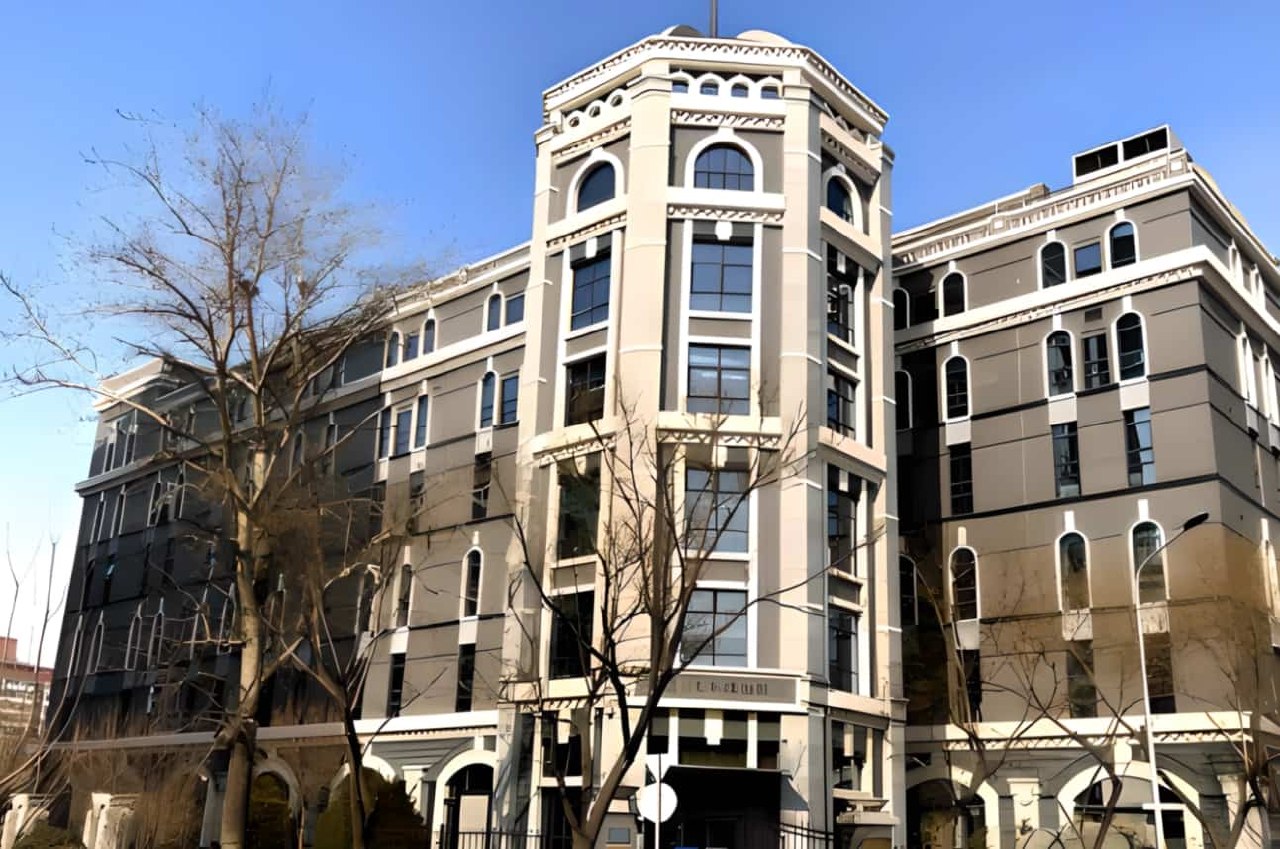
The setting is part of the appeal. The main exhibition hall is the old steam engine room, a European-style industrial building completed around 1910. Nearby structures from the waterworks period survive, giving the small campus a layered, slightly hidden atmosphere among modern apartment towers.
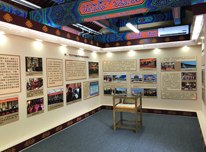
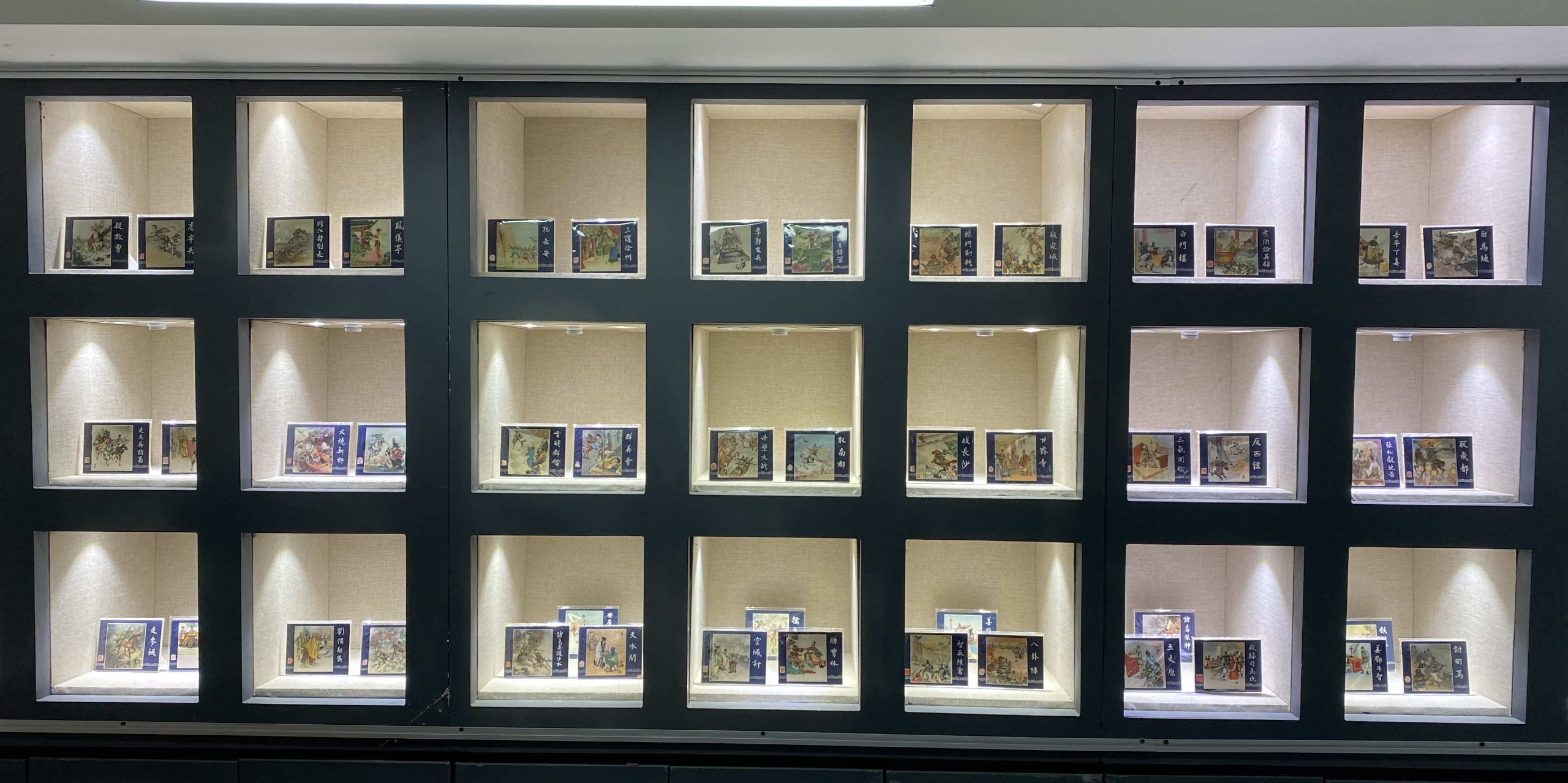
Inside, three exhibition halls cover the difficult early decades, the history of water use, and the expansion after reform and opening up. Displays include artifacts, models, sandboxes, photographs, and interactive elements such as pipe-leak detection. Most labels are in Chinese, though English text and audio support have been reported; do not assume every exhibit is translated.
The museum is best for travelers who enjoy industrial heritage, engineering, urban history, or a low-key break from major sights. Families may find the interactive displays engaging, but the content is fairly technical.
Tickets
Ticket information is the least reliable part of planning this visit. Sources disagree, so confirm the current price and any registration requirement through the official Beijing Waterworks Museum channel before traveling.
| Adult ticket | Sources conflict between free entry and 5 RMB; check the official channel | Notes |
|---|---|---|
| Student ticket | One source lists 2 RMB; check the official channel | Check the official channel |
| Concessions | Not reliably documented; ask on site | Check the official channel |
| Booking | Advance booking is not confirmed; some visitors report an on-site registration process | Check the official channel |
| Payment | Mobile payment is common in Beijing; carry a small cash backup | Check the official channel |
Use official ticketing or the museum’s own contact channel rather than third-party resellers. Scalpers are unlikely to be a major issue at a small museum, but avoid anyone offering paid “fast entry” outside the gate.
Opening Hours
Opening days are also inconsistent across sources. Some list Wednesday to Sunday, others Tuesday to Sunday, and all agree the museum is closed on Monday. Hours are generally 9:00 to 16:00, with last entry around 15:30.
| Regular days | Typically Wednesday to Sunday, though one source says Tuesday to Sunday; check the official channel | Notes |
|---|---|---|
| Monday | Closed | Check the official channel |
| Tuesday | Uncertain; some sources list it as closed | Check the official channel |
| Daily hours | Usually 9:00 to 16:00 | Check the official channel |
| Last entry | Around 15:30 | Check the official channel |
| Holidays | Schedule may change; verify before a holiday visit | Check the official channel |
The museum has suspended operations for renovation in the past, including a closure announced in late 2022 and work in late 2024. It reportedly reopened after upgrades in 2025. Always check that it is open before making a special trip.
Getting There
The museum sits in the Qingshuiyuan community off Dongzhimen North Street, near the Dongzhimen transport hub. The nearest subway station is Dongzhimen, served by several central lines; follow signs toward Dongzhimen North Street and expect a short walk through a residential area.
Bus routes 44, 106, and 107 have been listed for the area, but stop names and walking directions change. Use a mapping app on the day and treat any specific exit number as unconfirmed.
A taxi or ride-hailing car is straightforward from central Beijing. Driving is not recommended for visitors, and dedicated visitor parking is not clearly documented.
Insider tip: the entrance is tucked among apartment blocks and is easy to miss. Save the address in Chinese on your phone and ask a local near the Qingshuiyuan gate if you cannot find it.
Suggested Routes
| Route | Duration | Best for | Terrain |
|---|---|---|---|
| Quick Highlights | 45-60 minutes | Travelers with limited time | Flat, indoor |
| Full Museum and Grounds | 1.5-2 hours | History and architecture fans | Flat, short outdoor walks |
| Dongzhimen Half-Day | 3-4 hours | Combining the museum with local dining | Flat, urban walking |
Quick Highlights Route
Duration: 45-60 minutes. Start and end: museum entrance.
Entrance → ground-floor water science displays → steam engine room architecture → second-floor history hall → exit.
This route focuses on the building and the main historical narrative. The terrain is flat and entirely indoors.
Full Museum and Grounds Route
Duration: 1.5-2 hours. Start and end: museum entrance.
Entrance → Source of Life sculpture → water science hall → water history hall → water technology hall → historic waterworks buildings → exit.
Allow time to read the English text and to walk around the surviving industrial structures. Surfaces are flat, with short outdoor sections.
Dongzhimen Half-Day Route
Duration: 3-4 hours. Start and end: Dongzhimen station area.
Dongzhimen station → Dongzhimen North Street → Beijing Waterworks Museum → local lunch near Dongzhimen → return to the station.
This route combines the museum with a busy transport and dining district. Expect flat city walking and crowded sidewalks at peak times.
Must-See Highlights
- The steam engine room: the museum’s main building, a rare European-style industrial structure from around 1910. Look up at the height and proportions before entering.
- The 1908 founding documents: displays include materials related to the petition to establish a city water company, a key moment in Beijing’s urban history.
- The giant electronic pipe network map: a wall-sized display showing the dense web of underground pipes. It gives a clear sense of the system’s scale.
- The water science hall: models and sculptures explain water resources, pollution, and scarcity. Useful for understanding why the museum promotes conservation.
- The water technology hall: diagrams and models of treatment processes and pumping stations. The content is technical, so read the English summaries where available.
- The Source of Life sculpture: a seven-meter sculpture near the entrance featuring stylized ancient dragon forms. A quick photo stop before or after the visit.
- Historic waterworks structures: surviving buildings and facilities from the old plant sit around the museum. Walk the grounds to see how industry and housing now share the site.
Best Time to Visit
Weekday mornings are usually the quietest. The museum is small, so even a modest crowd can fill the exhibition rooms. Allow about an hour, or longer if you read the displays carefully.
Spring and autumn offer the most comfortable weather for the walk from Dongzhimen. Summer afternoons can be hot and humid, while winter is cold but indoor exhibits remain accessible.
Avoid Chinese public holidays such as National Day in early October and the Spring Festival period, when transport and nearby dining areas are busier. The museum does not appear to offer night access.
Common Mistakes to Avoid
- Assuming it is always open. The museum has closed for renovation before. Check the official channel before traveling.
- Trusting one source on opening days. Sources disagree on Tuesday. Confirm the current weekly schedule.
- Arriving after 15:30. Last entry is usually around 15:30, so plan to arrive well before then.
- Expecting a large national museum. This is a small specialist site. Allow about an hour, not a half day.
- Forgetting your passport. Carry it for identification, as with most Beijing attractions.
- Relying only on cash or only on cards. Mobile payment is standard in Beijing; keep a small cash backup.
- Expecting full English translations. Many displays are in Chinese. Use any English text or audio support available.
- Missing the entrance. The museum is inside a residential community. Save the address and ask locally if needed.
- Buying from unofficial sellers. Use official channels and ignore anyone offering paid entry outside the gate.
What to Bring
- Your passport for identification
- A charged phone with a mapping app and mobile payment set up
- The museum address saved in Chinese for taxi drivers
- Comfortable walking shoes for the short approach and grounds
- A light layer in summer for air-conditioned rooms
- A warm coat, hat, and gloves in winter
- Water, since nearby shops may require a short walk
- A small amount of cash as backup
Food and Drink Nearby
Dongzhimen is a major transport and dining area, so reliable options are close by rather than at the museum itself.
- Dongzhimen station area: a short walk away, with shopping-mall food courts and casual restaurants at moderate prices.
- Dongzhimen Inner Street: a nearby dining strip known for casual local restaurants; prices vary, so check menus before ordering.
- Guijie (Ghost Street): a well-known dining street within a reasonable taxi ride, famous for spicy crayfish and late-night meals at moderate to higher prices.
- Convenience stores near Qingshuiyuan: useful for water and snacks at low prices, though exact shops should be checked on arrival.
Final Thoughts
The Beijing Waterworks Museum is a small, specific attraction that rewards curiosity about how cities work. Allow about an hour, confirm the current ticket and opening details, and approach it as a quiet detour rather than a headline sight. The memorable image is the old steam engine room standing among modern apartment towers, a piece of industrial Beijing hidden in plain sight.
Sources
- Baidu Baike: Beijing Waterworks Museum (overview)
- Baidu Baike: Beijing Waterworks Museum (visitor information)
- Trip.com Moments: Beijing Museum of Tap Water
- Koryo Tours: Museums of Beijing – Beijing Waterworks Museum
- Trip.com: Beijing Museum of Tap Water travel guide
- Source from wapbaike.baidu.com
- Source from english.beijing.gov.cn
- Source from kr.visitbeijing.com.cn