The Summer Palace — known in Chinese as Yiheyuan — is the finest surviving imperial garden in China and one of Beijing’s most beautiful attractions. Built in 1750 during the Qing Dynasty, it was originally called the Garden of Clear Ripples. After being destroyed in 1860, it was rebuilt in 1888 by Empress Dowager Cixi and renamed the Summer Palace.
With its vast lake, wooded hill, long corridors, temples, bridges and pavilions, the Summer Palace is a masterpiece of Chinese landscape garden design. It was inscribed on the UNESCO World Heritage List in 1998 and is often described as a museum of imperial gardens.
This guide will help you plan your visit, choose the right entrance, avoid common mistakes and enjoy the best of Yiheyuan.
Quick Facts
- Location: Haidian District, northwest Beijing
- Built: 1750, during the Qing Dynasty
- Rebuilt: 1888, by Empress Dowager Cixi
- UNESCO World Heritage: Inscribed in 1998
- Area: Approximately 297 hectares
- Water area: About three-quarters of the park is Kunming Lake
- Best time to visit: Early morning; spring and autumn
- Recommended duration: 3–5 hours
- Must-have: Passport, advance reservation, comfortable shoes and water
Why Visit the Summer Palace?
The Summer Palace is more than a park. It is a complete imperial garden designed around Longevity Hill and Kunming Lake. The layout combines natural scenery with palaces, temples, bridges, islands and walkways.
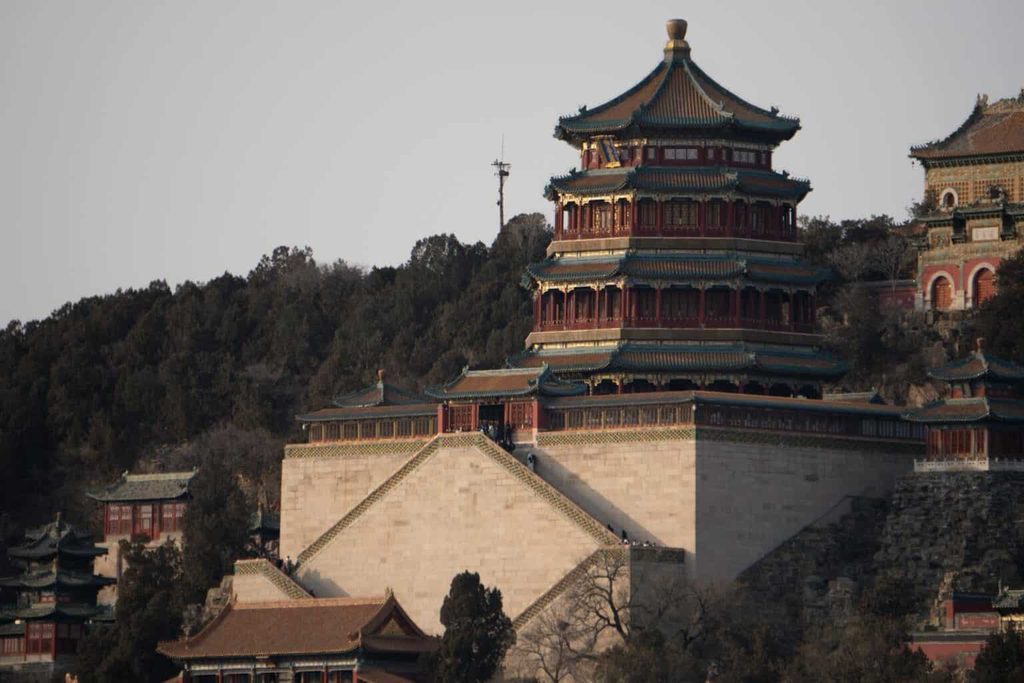
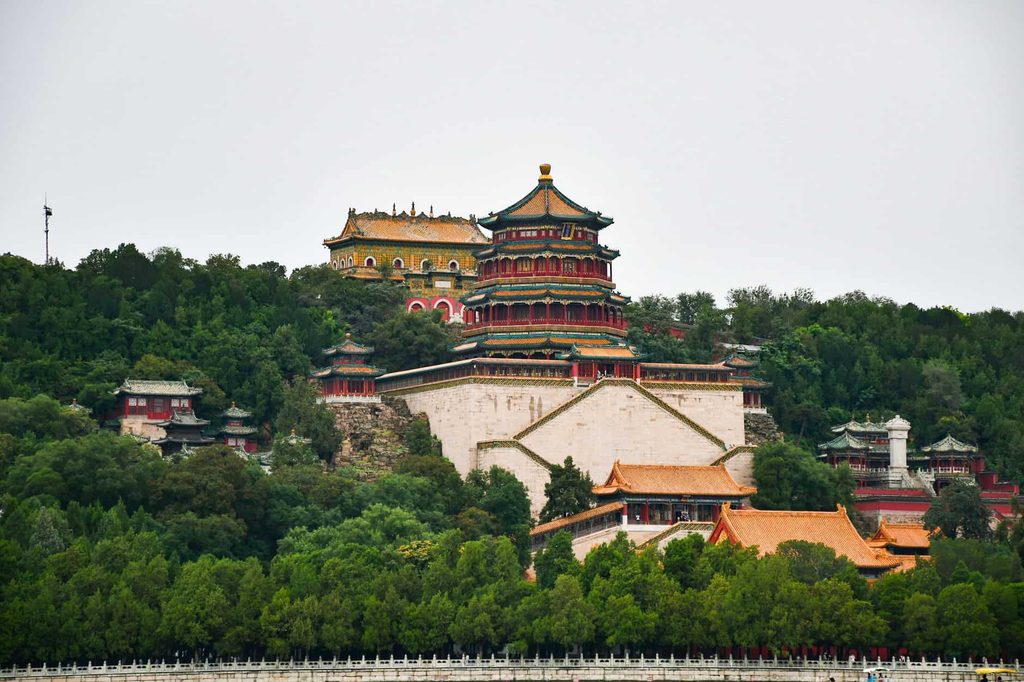
Highlights include the Long Corridor, a 728-meter painted gallery with more than 14,000 landscape and story paintings; the Tower of Buddhist Incense, the iconic octagonal tower on Longevity Hill; the Seventeen-Arch Bridge; the Marble Boat; Suzhou Street; and the Garden of Harmonious Interests.
The Summer Palace is also a living park. In the early morning, locals practice tai chi, dance, sing and walk along the lake. Arriving early gives you both quieter sightseeing and a glimpse of everyday Beijing life.
Tickets: Buy the Combo Ticket If You Want the Main Sights
The Summer Palace has a park entrance ticket and a combo ticket. The combo ticket is usually better value if you plan to visit the main inner attractions.
Ticket prices:
| Season | Park Ticket | Combo Ticket |
|---|---|---|
| Peak (Apr 1 – Oct 31) | 30 RMB | 60 RMB |
| Off-season (Nov 1 – Mar 31) | 20 RMB | 50 RMB |
Inner attractions (if bought separately):
- Tower of Buddhist Incense: 10 RMB
- Dehe Garden: 5 RMB
- Suzhou Street: 10 RMB
- Wenchang Gallery: 20 RMB
The combo ticket typically includes the park entrance, Dehe Garden, Tower of Buddhist Incense and Suzhou Street. Wenchang Gallery may require a separate ticket. Prices and inclusions can change, so check official channels before your visit.
How to book:
- Use the official Summer Palace WeChat mini-program or official ticketing channels.
- Reservation is real-name. Foreign visitors should use their passport.
- Tickets are usually available 1–7 days in advance. In peak season, book as early as possible.
- Some inner attractions may close on Mondays for maintenance. The park itself usually remains open, but always check official notices.
Opening Hours
| Season | Park Gates | Inner Attractions |
|---|---|---|
| Peak (Apr 1 – Oct 31) | 6:30 – 18:00 | 8:30 – 17:00 |
| Off-season (Nov 1 – Mar 31) | 7:00 – 17:00 | 9:00 – 16:00 |
The park stays open later for clearing, but inner attractions close earlier. Arrive in the morning if you want to enter the Tower of Buddhist Incense, Dehe Garden and other paid halls.
Choosing Your Gate
The Summer Palace has several gates. Choosing the right one can save you time and energy.
- East Palace Gate: The main entrance. Closest to the classic route and the administrative halls. Near Metro Line 4, Xiyuan Station.
- North Palace Gate: Direct access from Metro Line 4, Beigongmen Station. Good for Suzhou Street and Longevity Hill, but you will climb the hill first.
- New Palace Gate: Closest to the Seventeen-Arch Bridge and Kunming Lake. Good if you want to start with the lake.
- West Gate: Near Xijiao Line, Summer Palace West Gate Station. Best for the West Causeway and a quieter experience.
- South Ruyi Gate / North Ruyi Gate: Smaller entrances, useful for avoiding crowds.
Insider tip: First-time visitors often do best entering from the East Palace Gate and exiting from the North Palace Gate or New Palace Gate, depending on the route.
Suggested Routes
3-Hour Classic Route (Best for First-Timers)
East Palace Gate → Hall of Benevolence and Longevity → Dehe Garden → Hall of Jade Ripples → Hall of Happiness and Longevity → Long Corridor → Hall of Dispelling Clouds → Tower of Buddhist Incense → Marble Boat → Seventeen-Arch Bridge → New Palace Gate
This route covers the main highlights in a logical order. It involves some stairs and uphill walking to the Tower of Buddhist Incense.
3-Hour Lake and Hill Route (From North Gate)
North Palace Gate → Suzhou Street → Longevity Hill → Tower of Buddhist Incense → Long Corridor → Marble Boat → Kunming Lake → Seventeen-Arch Bridge → New Palace Gate
This is convenient if you arrive by Metro Line 4. Be prepared for a climb early in the route.
5-Hour Deep Route
East Palace Gate → Wenchang Gallery → Dehe Garden → Hall of Happiness and Longevity → Long Corridor → Tower of Buddhist Incense → Marble Boat → West Causeway → Garden of Harmonious Interests → North Palace Gate
This route adds the quieter western side, including the West Causeway and the Garden of Harmonious Interests.
Photography Route
New Palace Gate → Seventeen-Arch Bridge → South Lake Island → Boat to Marble Boat → Long Corridor → Tower of Buddhist Incense → East Palace Gate
This route is ideal for lake views, bridge photos and the classic view of Longevity Hill from Kunming Lake.
Must-See Highlights
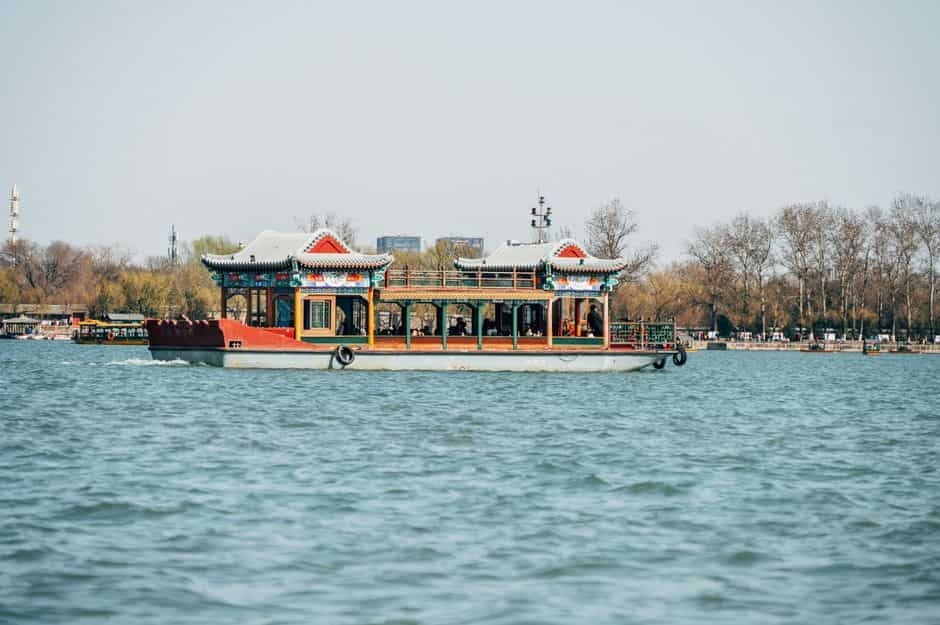
- Kunming Lake: The vast lake at the heart of the garden. Boating is seasonal and usually suspended in winter.
- Longevity Hill: The hill that frames the lake, crowned by the Tower of Buddhist Incense.
- Long Corridor: A 728-meter covered walkway with thousands of painted scenes.
- Tower of Buddhist Incense: The symbol of the Summer Palace, with panoramic views over the lake.
- Seventeen-Arch Bridge: A beautiful stone bridge connecting the east shore to South Lake Island.
- Marble Boat: A lakeside structure with a fascinating imperial history.
- Suzhou Street: A recreated water street in the northern part of the park.
- Garden of Harmonious Interests: A quiet, elegant garden within the garden.
- Dehe Garden: Home to a grand three-story imperial theater.
- Wenchang Gallery: A museum of fine imperial artifacts.
Best Time to Visit
The best seasons are spring (April–May) and autumn (September–October). The weather is mild, the lake is beautiful and the gardens are at their best.
Summer is lush, with lotus flowers on Kunming Lake, but it can be hot and crowded. Winter is cold, but snow on the imperial roofs can be stunning. The lake may freeze, and boat services stop.
Visit early in the morning, ideally right at opening. Avoid Chinese public holidays, especially:
- National Day Golden Week: October 1–7
- Labor Day holiday: around May 1–5
- Spring Festival: January or February
Common Mistakes to Avoid
- Buying only the park ticket. You will miss the Tower of Buddhist Incense, Dehe Garden and Suzhou Street. Buy the combo ticket if you want the main sights.
- Arriving too late. Inner attractions close at 17:00 in peak season and 16:00 in off-season.
- Entering from the North Gate without knowing the terrain. You will climb Longevity Hill first. It is doable but tiring.
- Underestimating the size. The park is about 297 hectares. Wear comfortable shoes and allow at least 3 hours.
- Forgetting your passport. Real-name reservation and entry require it.
- Assuming boats run all year. Lake cruises are seasonal and usually stop in winter.
- Skipping the West Causeway. It is quieter and offers some of the best lake views.
- Trying to see everything in one hour. The Summer Palace rewards a slower pace.
Getting There
- By Metro: Line 4 to Beigongmen Station for North Palace Gate, or Xiyuan Station for East Palace Gate. Xijiao Line to Summer Palace West Gate Station for the West Gate.
- By Bus: Many bus lines stop near the East Palace Gate, North Palace Gate and New Palace Gate.
- By Taxi: Ask to be dropped at the gate you plan to use. The East Palace Gate and North Palace Gate are the most common.
- By Boat: Seasonal cruises connect some lakeside points, but they are not a substitute for public transport.
What to Bring
- Passport and reservation confirmation
- Comfortable walking shoes
- Water and snacks
- Sun protection in summer
- Warm layers in winter
- Rain jacket or umbrella
- Power bank and mobile payment app
- Camera or phone for photos
Final Thoughts
The Summer Palace is one of Beijing’s most rewarding experiences. It combines imperial history, landscape design, lake scenery and local life in a way few places can. With an early start, the right ticket and a sensible route, you can avoid the worst crowds and enjoy the garden at its best.
Whether you are climbing to the Tower of Buddhist Incense, strolling the Long Corridor or watching the sunset over Kunming Lake, the Summer Palace will leave you with a lasting memory of Beijing’s imperial beauty.
2 thoughts on this story