The Great Wall of China is one of the world’s most iconic travel experiences. But here is the first thing every traveler should know: the Great Wall is not a single wall. It is a vast defensive system of walls, watchtowers, passes, forts and beacon towers built over many centuries.
For visitors, the biggest question is not whether to see the Great Wall, but which section to visit. Some sections are fully restored and easy to reach; others are wild, steep and better suited to experienced hikers. This guide will help you choose the right section, plan your trip and travel responsibly.
Quick Facts
- Location: Northern China
- UNESCO World Heritage Site: Inscribed in 1987
- Total length: Approximately 21,196.18 km, according to China’s official survey
- Ming-era length: About 8,851.8 km
- Best time to visit: April–May and September–October
- Recommended trip length: 1–3 days from Beijing; longer for western sections
- Must-have: Passport, comfortable shoes, water, sun protection and a sense of adventure
One popular myth is that the Great Wall is visible from space with the naked eye. It is not. This does not make it any less impressive—on the ground, it is truly unforgettable.
Why Visit the Great Wall?
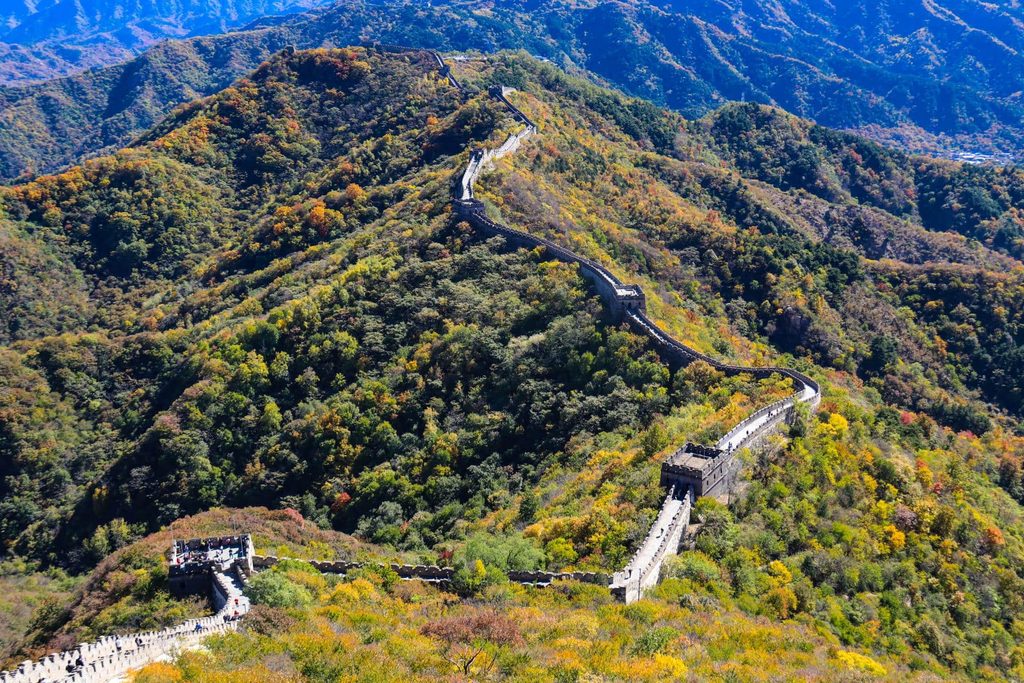
The Great Wall represents more than military defense. It was also a communication network, a border-control system and a symbol of Chinese history and endurance. Walking on its stone steps, you can see how the wall follows mountain ridges, crosses deserts and connects strategic passes.
Today, the Great Wall is a shared heritage of humanity. Whether you want an easy day trip, a challenging hike or a photography adventure, there is a section for you.
Choosing the Right Section
| Section | Best For | Crowds | Access from Beijing | Notes |
|---|---|---|---|---|
| Badaling | First-time visitors, easy access | Very high | High-speed train, bus, tour | Fully restored, cable car available; most crowded |
| Mutianyu | Families, scenery, first-timers | Moderate–high | Tourist bus, private car, tour | Restored, cable car and toboggan; good alternative to Badaling |
| Jinshanling | Hiking, photography | Low–moderate | Private car, tour, seasonal bus | Partly restored; 3–4 hour hikes; bring water |
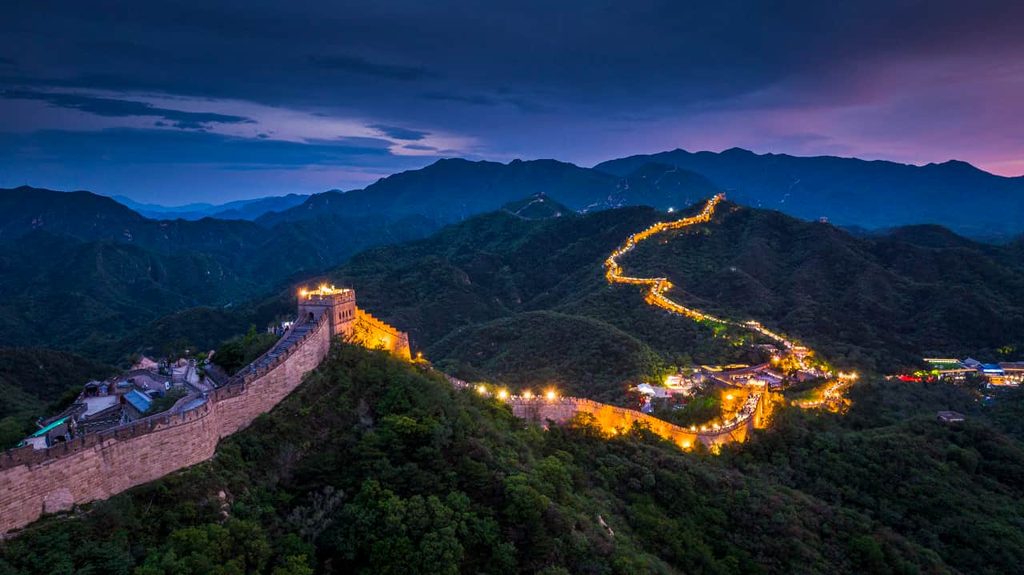
| Simatai | Dramatic views, night visits | Moderate | Private car, tour | Often combined with Gubei Water Town; check access and night-tour availability |
| Jiankou | Wild, adventurous hiking | Very low | Private car, guide | Not an official tourist site; many parts closed or restricted; dangerous |
| Gubeikou | Quiet, historic hiking | Low | Private car, tour | Less restored; check access before going |
| Shanhaiguan / Laolongtou | History, where the wall meets the sea | Moderate | Train to Shanhaiguan | Combine with a trip to Beidaihe |
| Jiayuguan | Desert scenery, Silk Road history | Low–moderate | Fly or train to Jiayuguan | Western end of the Ming Great Wall |
Which Section Should You Choose?
- If you have limited time and want convenience: Badaling or Mutianyu.
- If you want fewer crowds and great photos: Jinshanling or Gubeikou.
- If you want a dramatic experience: Simatai, especially with Gubei Water Town.
- If you are an experienced hiker: Consider Jinshanling or Gubeikou. Avoid Jiankou unless you are with a professional guide and it is legally open.
- If you are traveling beyond Beijing: Visit Shanhaiguan in the east or Jiayuguan in the west.
Best Time to Visit
The best seasons are spring (April–May) and autumn (September–October). The weather is mild, the views are clear and hiking is comfortable.
Summer can be hot, humid and rainy. Winter is cold but often quiet, and snow on the wall can be beautiful—though steps may be slippery.
Try to avoid Chinese public holidays, especially:
- National Day Golden Week: October 1–7
- Labor Day holiday: around May 1–5
- Spring Festival: January or February, depending on the lunar calendar
For the best experience, visit on a weekday and arrive early in the morning.
Getting There and Tickets
From Beijing, most travelers visit Badaling, Mutianyu or Jinshanling.
- Badaling: High-speed trains run from Beijing North Railway Station to Badalingchangcheng Station. Buses and tours are also available.
- Mutianyu: Direct tourist buses and private tours are common. Public transport usually requires a transfer in Huairou.
- Jinshanling: Seasonal tourist buses and private cars are the easiest options.
Tickets for many sections require real-name reservation, so bring your passport. Cable cars, shuttle buses and toboggans usually cost extra. Always check official channels for current opening hours, ticket rules and transport schedules, as these can change.
Suggested Itineraries
1 Day from Beijing:
Choose Badaling or Mutianyu. Leave early, spend 3–5 hours on the wall and return to Beijing in the afternoon.
2 Days:
Day 1: Mutianyu. Day 2: Jinshanling or Gubeikou for a quieter hike.
3 Days:
Add Beijing highlights such as the Forbidden City, Temple of Heaven and Summer Palace.
5 Days or More:
Travel to Shanhaiguan to see where the wall meets the sea, or head west to Jiayuguan for a Silk Road adventure.
What to Bring
- Passport and reservation confirmation
- Comfortable walking or hiking shoes
- Layered clothing and a rain jacket
- Sun hat, sunscreen and sunglasses
- Plenty of water and snacks
- Power bank and phone payment app
- Small backpack
- For wild hikes: gloves, trekking poles and a basic first-aid kit
Safety and Responsible Travel
The Great Wall is a protected heritage site. Please help preserve it.
- Stay on marked paths and do not climb restricted areas.
- Do not carve names, remove bricks or buy stolen artifacts.
- Take all your trash with you.
- Respect local communities and support local guides and businesses.
- Check the weather before hiking and avoid storms.
- Watch your step on steep, uneven sections.
- Start early and check the last bus or train back.
Final Thoughts
The Great Wall of China is more than a checkbox on a travel list. It is a place of history, engineering and natural beauty. With good planning, you can avoid the crowds, enjoy a memorable hike and experience one of the world’s greatest wonders responsibly.
Whether you choose the restored steps of Mutianyu or the wild ridges of Jinshanling, the Great Wall will leave you with a story worth telling.