The Ming Dynasty Tombs, also known as the Thirteen Tombs of the Ming Dynasty or Shisanling, are one of Beijing’s most important historical attractions. Located in Changping District at the southern foot of Tianshou Mountain, about 40 kilometers northwest of central Beijing, this vast burial complex contains the tombs of 13 Ming emperors, along with their empresses, concubines and other royal relatives.
The site was inscribed on the UNESCO World Heritage List in 2003 as part of the Imperial Tombs of the Ming and Qing Dynasties. For travelers interested in imperial history, architecture and archaeology, the Ming Tombs are a rewarding day trip from Beijing.
This guide will help you plan your visit, choose the right tombs, avoid common mistakes and make the most of your time.
Quick Facts
- Location: Changping District, northwest Beijing
- Built: From 1409 to 1644, over more than 230 years
- UNESCO World Heritage: Inscribed in 2003
- Area: Approximately 120 square kilometers
- Number of imperial tombs: 13
- Most visited sites: Sacred Way, Changling, Dingling and Zhaoling
- Best time to visit: Spring and autumn; early morning
- Recommended duration: Half day to full day
- Must-have: Passport, comfortable shoes, water and sun protection
Why Visit the Ming Dynasty Tombs?
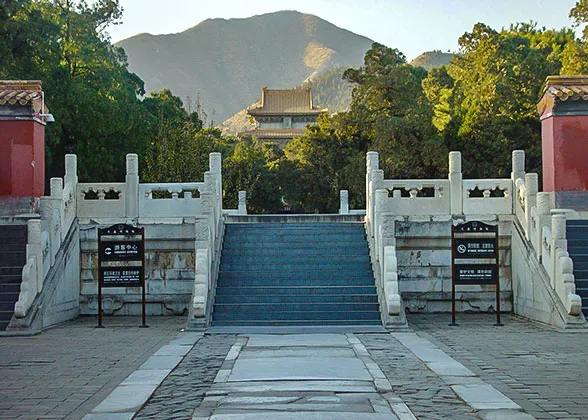
The Ming Dynasty Tombs are not a single tomb but a large imperial cemetery. Each tomb follows a similar layout, with a sacred path, gates, stele pavilions, halls and an underground burial chamber. The surrounding landscape was chosen according to Feng Shui principles, with mountains to the north and water to the south.
Only a few tombs are open to the public. The most important are:
- Sacred Way: The main processional route, lined with stone statues of animals and officials.
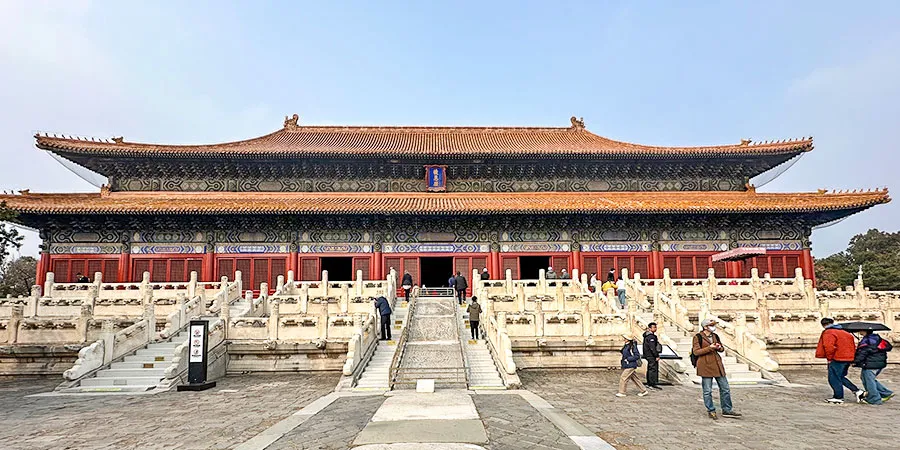
- Changling: The tomb of Emperor Yongle, the largest and best-preserved above-ground complex.
- Dingling: The tomb of Emperor Wanli, the only Ming imperial tomb with an excavated underground palace.
- Zhaoling: The tomb of Emperor Longqing, with restored above-ground buildings.
A visit here offers a mix of imperial architecture, quiet mountain scenery and fascinating archaeology.
Tickets and Opening Hours
The Ming Tombs are managed as separate scenic sites. You can buy individual tickets or a combo ticket.
Typical ticket prices:
| Site | Peak Season (Apr 1 – Oct 31) | Off-Season (Nov 1 – Mar 31) |
|---|---|---|
| Sacred Way | 30 RMB | 20 RMB |
| Changling | 45 RMB | 30 RMB |
| Dingling | 60 RMB | 40 RMB |
| Zhaoling | 30 RMB | 20 RMB |
| Combo Ticket | 130 RMB | 100 RMB |
The combo ticket usually includes the Sacred Way, Changling, Dingling and Zhaoling. It is valid for one day, and each site can normally be entered once. Prices and inclusions can change, so check official channels before your visit.
Opening hours:
| Season | General Opening Hours |
|---|---|
| Peak (Apr 1 – Oct 31) | 8:00 – 17:30 |
| Off-Season (Nov 1 – Mar 31) | 8:30 – 17:00 |
Last entry is usually 30 to 60 minutes before closing. The underground palace at Dingling may close earlier than the outdoor areas. Arrive before 3:00 PM if you want to see multiple sites comfortably.
Booking:
- Use official ticketing channels or the official Ming Tombs WeChat mini-program.
- Real-name booking may be required. Foreign visitors should bring their passport.
- During Chinese public holidays, book in advance and expect larger crowds.
Getting There
The Ming Tombs are spread across a large area, and the sites are several kilometers apart. Public transport is possible but can be slow. A private car, taxi or organized tour is often the most efficient option.
From Beijing:
- By Bus: Bus 872 from Deshengmen is a common route to Dingling and Changling. Confirm current stops and schedules before you go.
- By Metro and Taxi: Take the Changping Line to Changping Xishankou Station, then take a taxi or local bus to the tomb area.
- By Car or Taxi: About 1 to 1.5 hours from central Beijing, depending on traffic. This is the best option if you want to visit several tombs in one day.
- By Tour: Many day tours combine the Ming Tombs with the Great Wall at Badaling or Mutianyu.
Suggested Routes
Half-Day Essential Route
Sacred Way → Dingling → Changling
This route covers the most famous sites. Start at the Sacred Way for photos, then visit Dingling’s underground palace, and finish at Changling, the largest above-ground complex.
Full-Day Classic Route
Sacred Way → Changling → Dingling → Zhaoling
This is the best route for first-time visitors who want a complete overview. It requires a car, taxi or tour because the sites are spread out.
History and Archaeology Route
Dingling → Ming Tombs Museum → Changling → Sacred Way
This route focuses on the excavated underground palace, artifacts and imperial architecture. It is ideal for travelers who want more context and detail.
Photography Route
Sacred Way at opening → Changling → Dingling
The Sacred Way is best photographed early in the morning when the light is soft and crowds are smaller. Changling offers grand halls and stone terraces, while Dingling provides dramatic underground spaces.
Must-See Highlights
- Sacred Way: A 7-kilometer processional road lined with 18 pairs of stone statues, including lions, camels, elephants, horses, military officials and civil officials.
- Changling: The tomb of Emperor Yongle, with the impressive Hall of Eminent Favor, supported by large nanmu columns.
- Dingling: The tomb of Emperor Wanli, famous for its excavated underground palace and museum artifacts.
- Zhaoling: A restored tomb that shows what the above-ground buildings once looked like.
- Ming Tombs Museum: A small but informative museum near Dingling with archaeological finds.
- Tianshou Mountain: The scenic backdrop of the entire tomb complex.
Best Time to Visit
The best seasons are spring, from April to May, and autumn, from September to October. The weather is mild, the mountain scenery is pleasant and walking between sites is comfortable.
Summer can be hot and rainy. Winter is cold and quiet, but snow on the imperial roofs can be beautiful. Avoid Chinese public holidays if possible, especially:
- National Day Golden Week: October 1 to 7
- Labor Day holiday: around May 1 to 5
- Spring Festival: January or February
Visit early in the morning, especially if you plan to see more than one tomb.
Common Mistakes to Avoid
- Thinking the Ming Tombs are one site. The tombs are spread over a large area. Plan your route and transport carefully.
- Skipping the Sacred Way. It is one of the most photogenic and historically interesting parts of the complex.
- Buying only one ticket when you want to see several tombs. A combo ticket can save money.
- Arriving too late. The sites close in the late afternoon, and Dingling’s underground palace may close earlier.
- Relying only on public transport for a full-day visit. Buses can be slow and infrequent. A taxi or tour is often better.
- Forgetting your passport. Real-name booking may be required.
- Underestimating walking distances. Wear comfortable shoes and bring water.
- Expecting all tombs to be excavated. Only Dingling has an open underground palace.
What to Bring
- Passport and booking confirmation
- Comfortable walking shoes
- Water and snacks
- Sun protection in summer
- Warm layers in winter
- Rain jacket or umbrella
- Power bank and mobile payment app
- Camera or phone for photos
Final Thoughts
The Ming Dynasty Tombs offer a quieter and more contemplative experience than many of Beijing’s better-known attractions. With imperial architecture, mountain scenery, the Sacred Way and the excavated underground palace at Dingling, the site provides a fascinating look at Ming royal burial traditions.
Plan your transport, buy the right ticket and start early. Whether you visit one tomb or all four main sites, the Ming Dynasty Tombs will add depth and history to your Beijing itinerary.